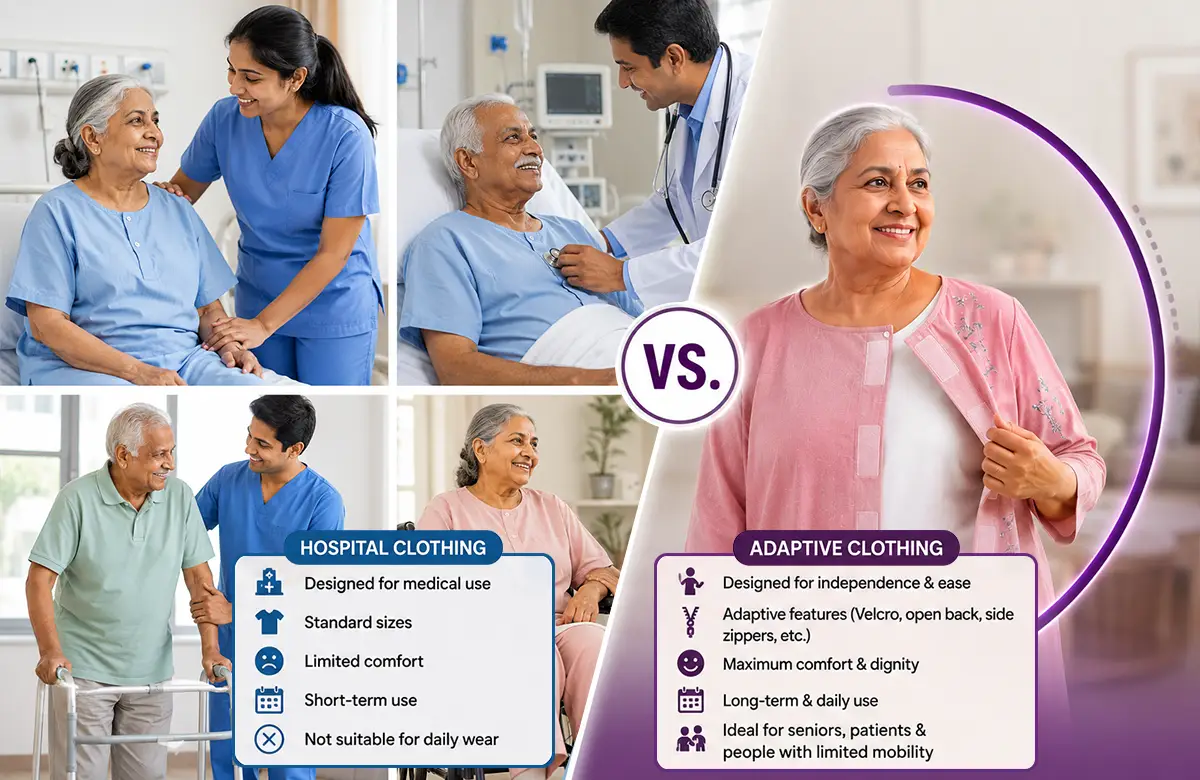
Clothes are much more important than most people realize when caring for seniors, people who have had surgery or people with limited mobility. Comfortable, simple-to-wear clothing can make a difference in what people do every day, how long it takes to get ready, and their dignity and independence.
Many individuals think hospital gear and adaptable clothing are the same thing. Both are meant to help people with health or mobility issues but are meant for different situations and offer various advantages.
If you’re in the market for clothing for yourself or a loved one, knowing the difference between hospital clothing and adaptive clothing will help you make the proper choice.
What is Medical Clothing?
Hospital clothing means clothing manufactured for use in medical facilities. These include hospital gowns, patient robes, surgical attire, and examination clothing.
The major purpose of hospital clothes is to make healthcare workers easily accessible for medical examinations, operations, and treatments. These clothes are useful for medical professionals, not for comfort or style in everyday life.
Common Features of Hospital Attire
- Bell-shaped night gowns
- Open back models
- Strings to tie or snap closures
- Light material
- Easy access for medical procedures
- Great for short-term medical treatment
Hospital clothing is designed to be used in the hospital but is rarely intended for long-term daily use.
What Is Adaptive Apparel?
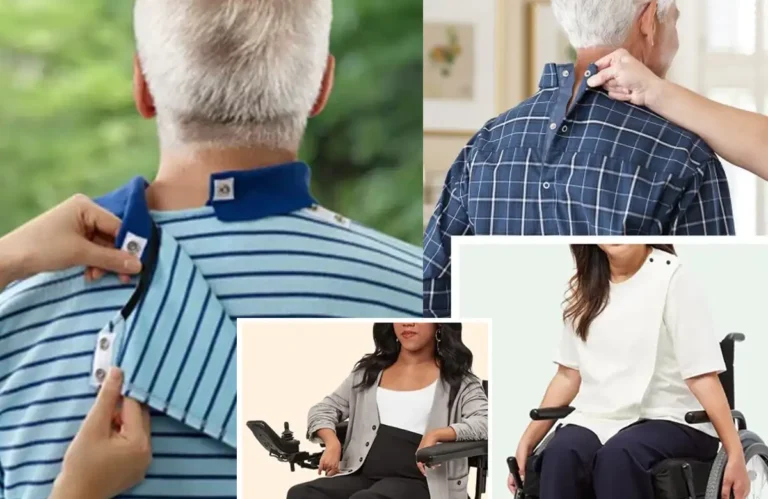
Adaptive clothing is made for those who have trouble dressing due to age, disability, injury, or limited movement. Adaptive clothing is like typical everyday clothing, but with elements that make dressing easier. Unlike hospital gowns,
Who is adaptive clothing designed for?
- Seniors and the elderly
- Patients confined to bed
- Arthritis sufferers
- History of stroke
- Wheelchair users
- Patients with Parkinson’s
- People recovering from surgery
- Recipients of home care
It is designed to improve comfort, independence, and dignity and to facilitate assisted dressing.
Adaptive Clothing Key Features
Thoughtful design elements of adaptive clothing include:
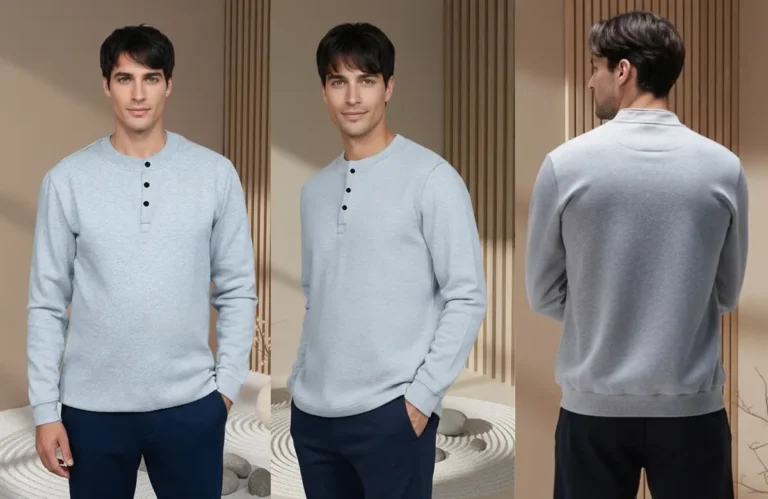
- Open-front kurtis and shirts
- Velcro fasteners instead of buttons
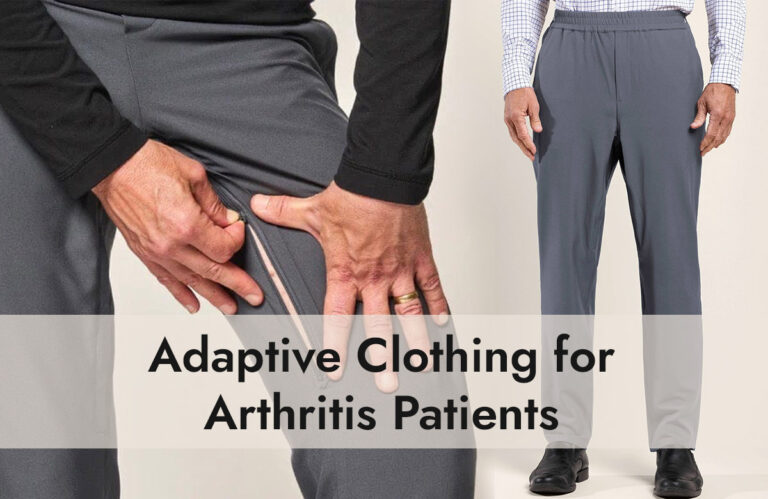
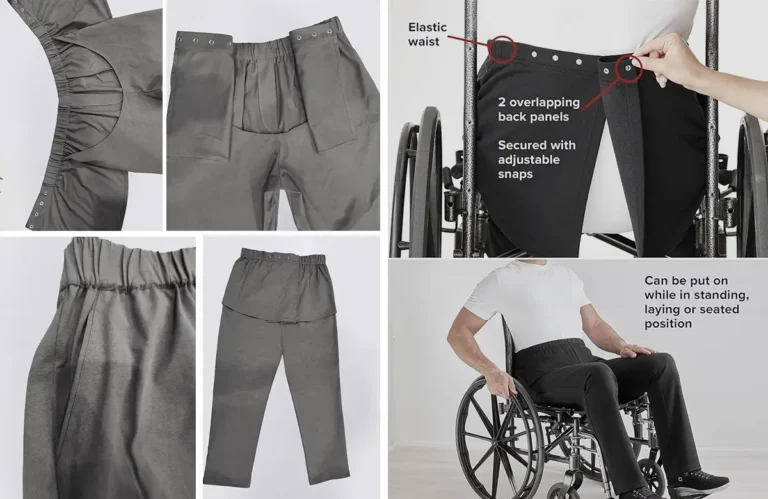
- Pants with side zipper
- Elastic waistband
- Open-back apparel for assisted dressing
- Soft, breathable materials
- Relaxed fit comfort
- Relaxed, everyday look
These features make adaptive clothing easy to wear and easy to care for.
Hospital Clothing vs Adaptive Clothing
Objective
Hospital apparel is for medical examination, surgery, and therapy.
Adaptive clothing is made for living, healing, rehabilitation, and long-term care.
Looks
The hospital gown is frequently clinical-looking and connected with a medical setting.
Adaptive clothing is made to look like regular clothing to help people feel more confident and comfortable in their everyday lives.
Comfort
Hospital apparel is primarily designed for access for medical care.
Adaptive clothing is designed to be worn for long periods, with soft fabrics and ergonomic designs.
Help with Dressing
Hospital gowns are easy for medical staff to access the body quickly but may not be the easiest to dress in outside of a professional setting.
Adaptive clothing comes with front openings, Velcro fastenings, and caregiver-friendly patterns to make dressing easier at home or in care facilities.
Privacy and dignity
Hospital apparel exposes areas of the body during examinations, which might make patients uncomfortable.
Adaptive clothing allows for full coverage and simple access, preserving privacy and dignity.
Common Use
Hospital clothing is for short-term use during hospitalization.
Adaptive clothing is designed for everyday use and is suited for home care, assisted living, rehabilitation centers, and nursing homes.
Advantages of Adaptive Clothing
Promotes Independence
Many adaptive garments are designed to make it easier for someone with limited mobility to dress themselves, which helps to build their confidence and independence.
Makes taking care easier
Caregivers can help with dressing more quickly, saving precious time and decreasing physical strain.
AIDS Recovery
Adaptive clothing is particularly helpful for those recovering from surgery, stroke, fractures, or other medical conditions that limit mobility.
Increases Comfort
Soft and breathable textiles help decrease skin irritation and give all-day comfort, especially for older people or patients who spend long periods in bed.
Looks Like Regular Clothes
Adaptive clothing, unlike hospital gowns, helps people maintain their personal style while meeting their physical needs.
When to Purchase Adaptive Clothing?
Adaptive clothing is typically the best choice when someone needs it:
- Home Care, Long-Term
- Daily dressing assistance
- Post-hospitalization recovery
- Arthritis or joint pain apparel
- Wheelchair user clothing
- Use for bedridden patients
- Comfortable wear for the elderly
- Rehab clothes
It provides a practical answer that helps everyday life rather than transient medical intervention.
Why Wearly Adaptive Clothing?
At Wearly we know clothes should do more than just protect your body—they should make life easier.
Our assortment of adaptive clothes is specifically developed for:
- Seniors, the elderly
- Patients confined to bed
- Arthritis sufferers
- History of stroke
- Persons with disabilities
- Post-surgery recovery
- People with restricted mobility
From front-open, Velcro-closure kurtis to adapted shirts, quick-access pants, and carer-friendly designs, all products are designed with comfort, functionality, and dignity in mind.
Conclusion
There is a place for hospital attire for medical treatment, but it is not made to live in. Adaptive clothing fills that gap with practical, comfortable, and beautiful apparel that increases freedom and makes caring easier.
Whether you’re caring for an aging parent, recovering from surgery or seeking out clothing that accommodates mobility limitations, adaptive clothing gives a long-term solution that enhances comfort and quality of life.
At Wearly, we believe that everyone deserves clothing that is easy to wear, comfortable to live in, and made with dignity. Every day, when you choose adaptive clothing, you are choosing confidence, comfort, and care.