

Home Care Tips for People with Disabilities are essential for creating a safe, comfortable, and supportive living environment that promotes independence and well-being. Whether caring for a family member with mobility challenges, a physical disability, or a chronic health condition, the right home care practices can make daily life easier for both the individual and the caregiver. From improving home accessibility and maintaining personal hygiene to using adaptive clothing and assistive devices, these practical tips help enhance comfort, safety, and quality of life at home.
Here are some practical, achievable steps to make your home a welcoming and accessible space,
1. Make their home safe and comfortable
A safe place to live is the first step towards quality care. Here are a few significant adjustments:
-
- Install grab bars in restrooms and stairwells for added safety.
-
- To reduce the risk of falls, use non-slip carpets or flooring.
-
- To allow wheelchairs to pass through, widen doorways.
-
- Ensure that there is adequate lighting in every room and hallway. Lower kitchen counters and place them near objects to make them easier for people with limited mobility to reach.
People can become more independent and prevent accidents by making these small but crucial changes.
2. The Game-Changer: Adaptive Clothing for Seniors
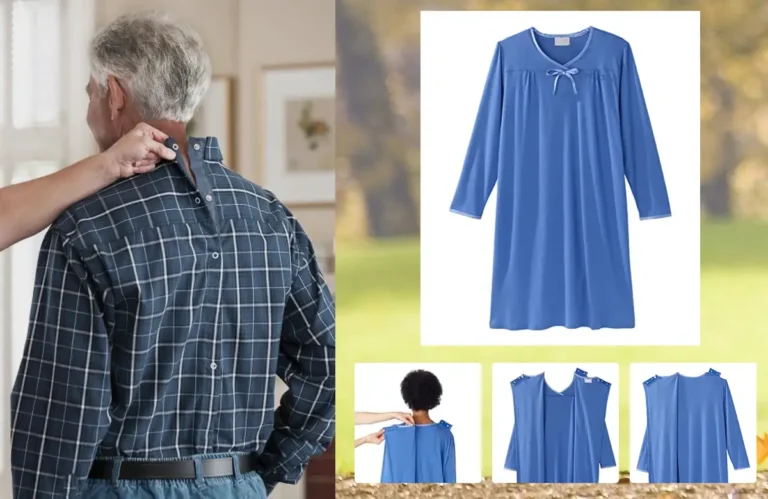
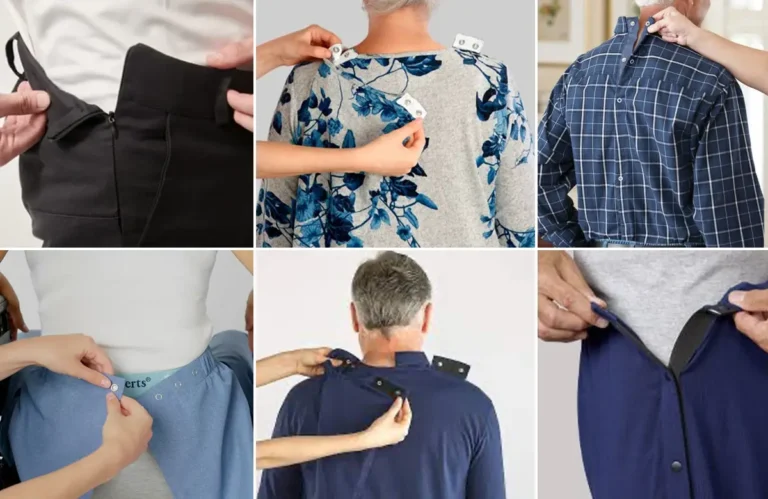
Clothes have an impact on your level of comfort and independence in addition to their appearance. The purpose of adaptive clothing is to make dressing easier for those who have physical limitations.
Because they enable individuals with weak hands to dress themselves, magnetic shirts are an excellent substitute for traditional button-down shirts. Velcro-fastened clothing is more comfortable for the hands and fingers. To ensure that people are comfortable without sacrificing their dignity, specialized “adaptive attire” can be both practical and stylish.
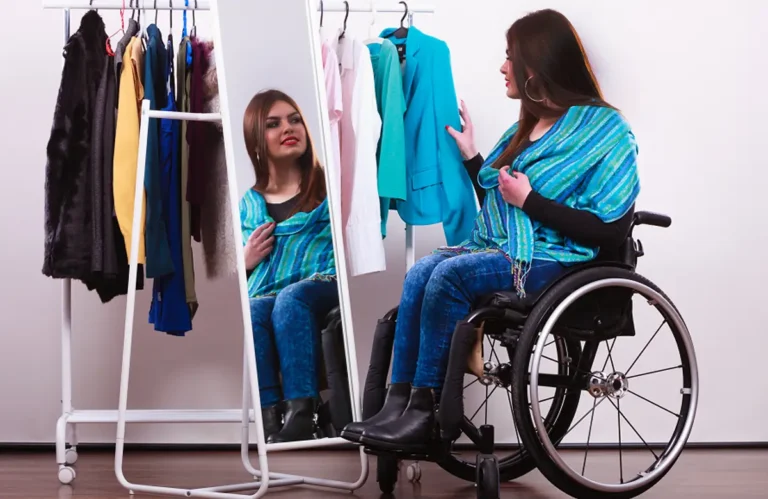
People are less frustrated and are able to maintain their personal style while still taking care of their basic needs thanks to these wardrobe choices.
3. Tools for everyday use that make life easier
Apart from clothing, additional adaptive items can facilitate day-to-day living:
-
- Mobility aids, such as canes or walkers, are items that enable you to access high shelves.
-
- Cushions and support cushions are designed to improve the comfort of prolonged sitting.
-
- These tools can significantly improve life when worn with adaptive clothing.
4. Make a routine that is calm and easy to follow
Consistency is essential for those who have memory issues or cognitive limitations. Include:
-
- Establish specific times for eating, taking medication, resting, bathing, and grooming. Routines reduce stress and keep the day organized.
5. Take care of their heart as well as their body
Taking care of someone’s physical and mental well-being is a part of providing care. Allow space for:
-
- Discussing important topics is a crucial aspect of providing care.
-
- Sharing interests and pastimes.
-
- You should possess patience, understanding, and active listening skills. You can avoid feeling isolated and alone by maintaining this emotional connection.
6. Don’t try to do it all by yourself; call in the experts
It can be challenging to care for someone at home, and asking for assistance is acceptable. Home health aides, physical therapists, and occupational therapists can:
-
- Provide suggestions for improvements to the house.
-
- Suggest the best “adaptive clothing“ to meet a range of needs. Allow caregivers to take breaks.
Careful Words from Wearly
Taking care of a disabled person at home is about more than just the necessities. It’s about making a life full of respect, warmth, and happiness. With home improvements, useful equipment, and smart choices like adaptive clothes for seniors, you’re making a place where they don’t simply get by-they really shine.



Repudiandae voluptas omnis voluptatem velit quas aut quia
Thank you Dena
I will send you information
Velit ut voluptas magni autem in cum quidem. Fugit cupiditate velit ad. Sed vel autem itaque libero
Voluptas voluptatem soluta laboriosam dolorem explicabo ut ad molestiae. Esse eum sapiente veniam
Thank you, we will keep posting