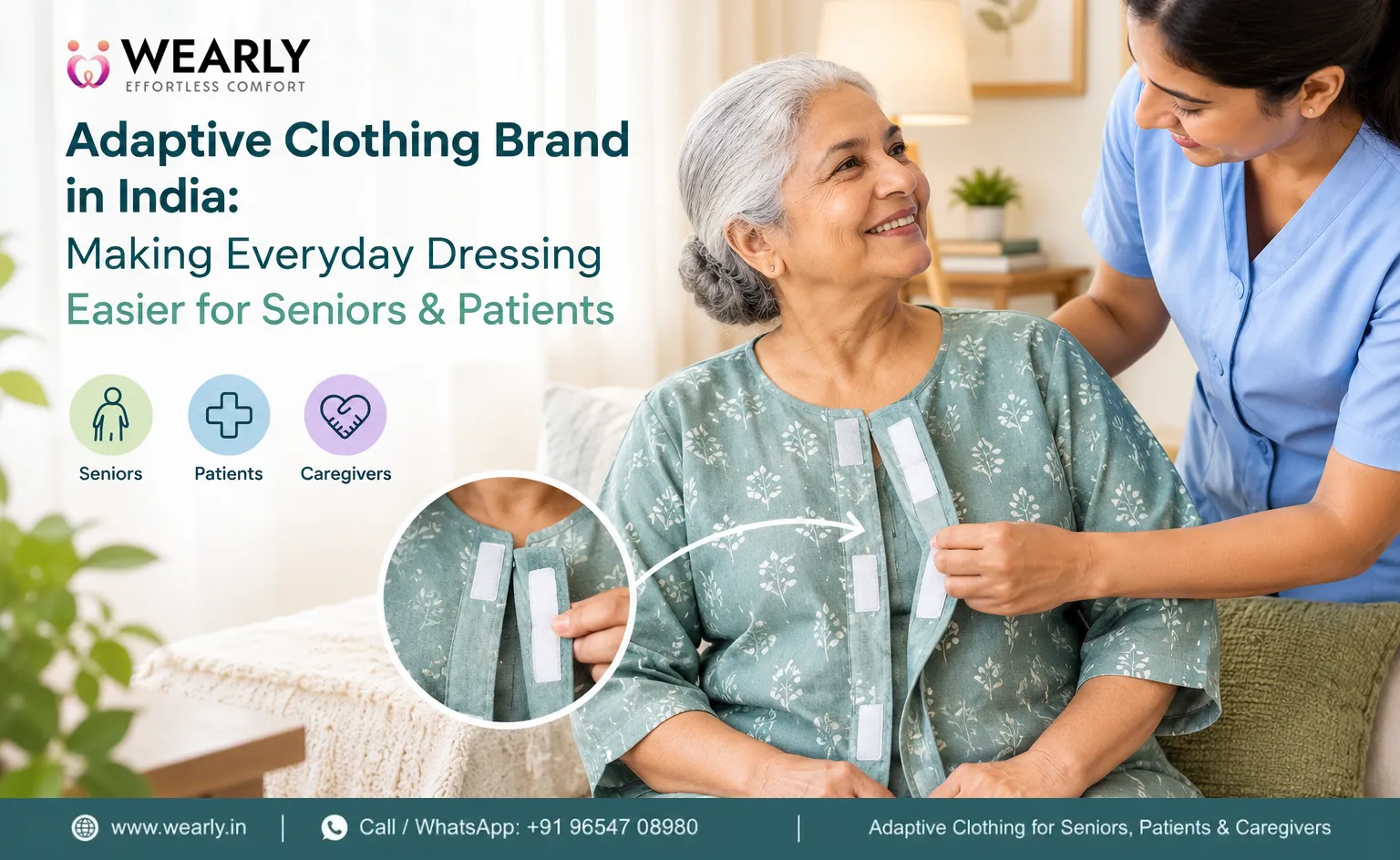
Most of us get dressed every day without giving it a second thought. But for seniors, patients recovering from surgery, wheelchair users, bedridden people, and those with limited mobility, everyday clothing can be difficult, uncomfortable, or dependent on a caregiver to get dressed sometimes. This is where adaptive clothing can really make a difference.
Wearly is a leading adaptive clothing brand in India on a mission to make the extraordinary achievable—transforming everyday dressing challenges into comfortable, accessible solutions for the people who need them most.
What is Adaptive Clothing?
Adaptive clothing is designed to help people who may have difficulty getting dressed in traditional clothing. Many traditional shirts, pants, kurtis, and dresses have tiny buttons, tight neck openings, intricate zips, or designs that require the wearer to stand or lift their arms.
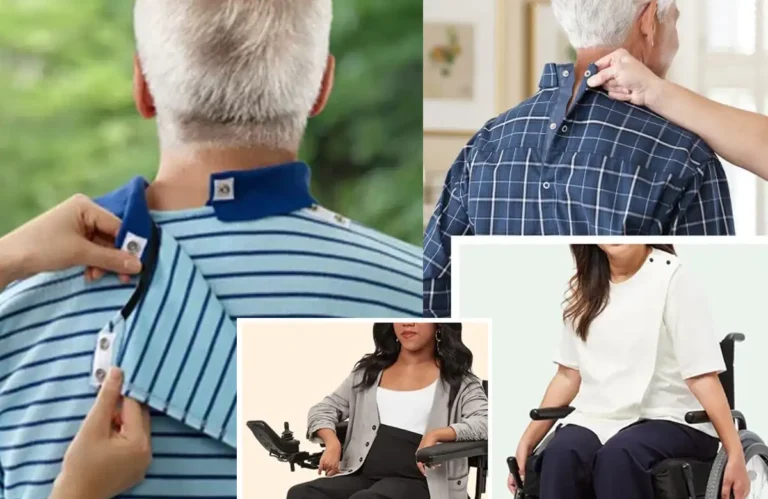
Adaptive clothing includes practical features such as:
- Front opening designs
- Velcro fasteners
- Magnetic fasteners
- Open back designs
- Side or inseam zips
- Stretchy waistbands
- Roomy fit
- Wheelchair-accessible design
- Fabrics that are soft and breathable
These features can make dressing easier every day for both the wearer and caregiver.
Why Is Adaptive Clothing Important in India?
India has a large and growing population of seniors and families providing care at home. Dressing can be difficult when there is limited movement, weakness, stiffness of joints, or difficulty standing. Dressing can also be physically demanding for caregivers when a person requires assistance. Adaptive clothing can make this easier by eliminating unnecessary movement and making clothes easier to get on.
For example, front-open adaptive kurtis can be easier to wear than traditional pullover kurtis. Open-back shirts and gowns can also make dressing easier for those who can’t easily raise their arms. The aim is not merely convenience. This is about comfort, dignity, and ease of care in daily life.
Who Can Benefit From Adaptive Clothing?
Whether adaptive clothing is useful depends on the individual needs and preferences of the wearer.
1. The Elderly and Seniors
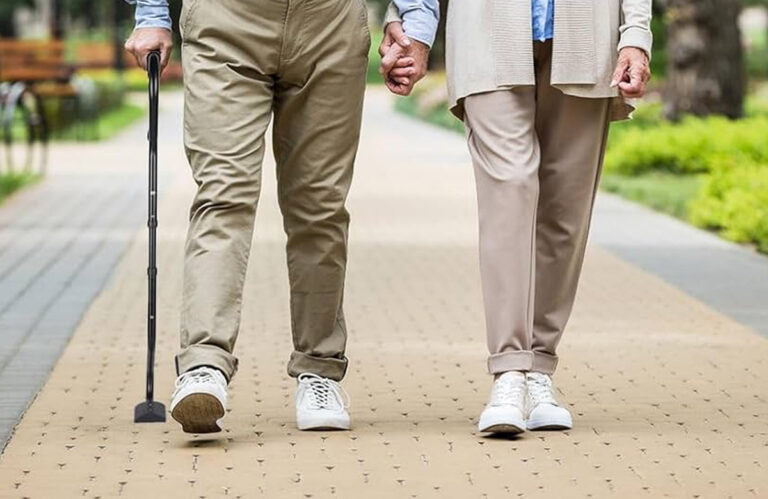
Older adults may have less flexibility, stiff joints, weakness, or trouble with buttons and zippers. Easy-to-get-into clothing can make daily dressing easier.
2. Wheelchair Users:
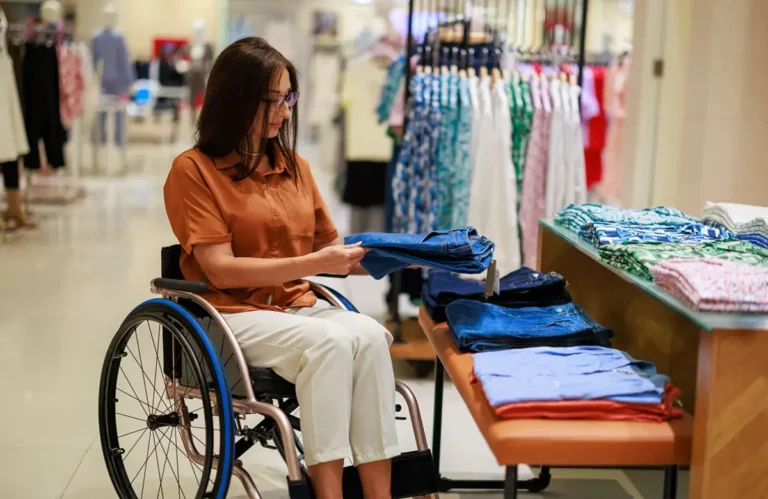
Traditional wear may be uncomfortable or difficult to manage for those who sit a lot. To address these situations, wheelchair-friendly pants, open-back tops, and seated dressing solutions have been created.
3. Bedridden Patients
Changing someone’s clothes in bed can be hard on both the person and the caregiver. Front-opening gowns, Velcro closures, and open-back designs can help to make dressing and personal care easier.
4. Patients after surgery
You may be uncomfortable and have restricted movement after surgery. Adaptive clothing can eliminate the need to stretch, lift, or pull excessively when putting on clothes.
5. People with Arthritis or Limited Hand Mobility
Small buttons, hooks, and complicated fasteners can be difficult for people with limited hand strength or finger movement. Easy closure makes for easy handling of clothing.
6. People With Limited Mobility and Stroke Survivors
If the movement is restricted on one side of the body, it can be difficult to put on normal clothes. Adaptive designs provide alternative ways of dressing with less movement.
What Features Should You Look for in an Adaptive Clothing Brand in India?
Selecting an adaptive clothing brand is more than simply choosing clothes with Velcro or zippers. The design should address a real problem of dressing and be comfortable and practical.
There are some important features to consider.
Front Opening Designs
People who find it difficult to pull clothing over their head may find front-open kurtis, shirts, and gowns useful.
Velcro fastenings
Velcro is also simpler to open and close than traditional buttons, particularly for those with limited finger movement.
Open-Back Styles
Open-back garments can facilitate dressing for people who have difficulty lifting their arms high or moving their shoulders freely.
Zippers on the Side and Inseam
Zippers can help make access easier while looking like normal clothes.
Stretch Waistbands
The elastic waistband can make the pants easier to put on and adjust and can provide a comfortable fit.
Soft, breathable material
The fabric is important, but so is the adaptive design. If you’re going to be wearing them for long periods of time, soft, lightweight, and breathable materials can be especially helpful.
Building for Care Providers
The ideal adaptive garment makes dressing and changing easier for caregivers while maintaining the wearer’s comfort and dignity.
Adaptive clothing should look like regular clothing.
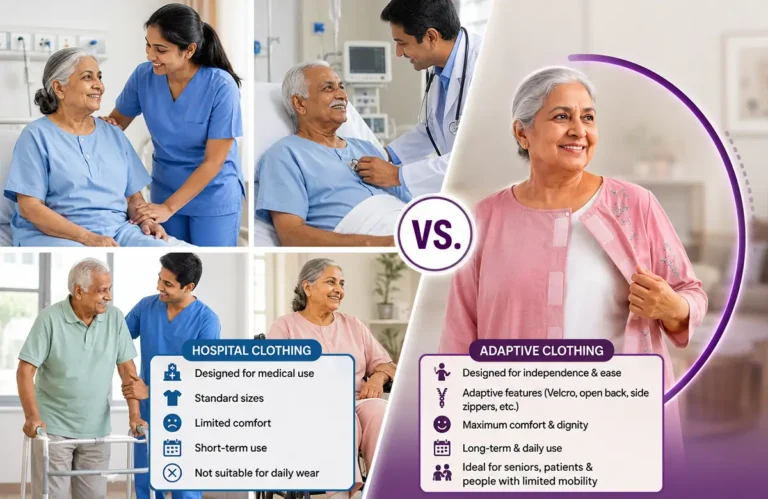
There’s this misconception that adaptive clothing has to look medical or institutional. Today’s adaptive clothing can combine functional practicality with everyday fashion.
A kurti can look like a kurti. A shirt can still appear like a shirt. Pants can still have a recognizable shape.
The difference is in the construction.
Hidden or discreet closures, useful openings, comfortable fits, and well-placed zippers can help make clothing easier to use without it feeling like hospital wear.
This is particularly important as clothing also relates to personal identity, confidence, and dignity.
How to Select the Right Adaptive Clothing Brand in India
Before you buy adaptive clothing online, here are some points to consider:
1. Understand the Dressing Challenge
First, determine why getting dressed is difficult.
Is the person having trouble with:
* Raising their arms?
* Standing up?
* Flexing?
* Buttons?
* Zippers?
* Moving their legs?
* Putting your clothes on while sitting down?
The answer will help you choose the right adaptive feature.
2. View Size and Fit
Adaptive clothing should be loose enough to allow comfortable movement, but not too loose. Before you order, always check the brand’s size chart.
3. See the closure
Different problems require different solutions.
For example:
- Velcro front > easy access front
- Open back > easier for assisted dressing
- Side zipper > easier to dress when sitting
- Easy pants dressing > elastic waist
- Magnetic closure > may be easier to close for some users
4. Think About the Fabric
The climate of India varies widely from one region to another. Think about whether the garment is lightweight, breathable, warm, or appropriate for the intended season.
5. Look for washing instructions.
Caregivers often need clothing that can be washed frequently. Kindly read the washing and care instructions carefully before buying.
6. Think about the needs of the caregiver.
The best adaptive design isn’t just for the wearer. It should also make the dressing process manageable for the person assisting.
The Power of Adaptive Clothing: Beyond Just Clothes
Clothing is one of the main things in everyday life. When it’s difficult, dressing can become a long, assisted process. Thoughtfully designed adaptive clothing can make the process easier.
It could help:
- Less dressing effort
- Increase access to clothing
- Support with assisted dressing
- Enhance daily comfort
- Make dressing while seated more practical.
- Help to preserve personal dignity
- Make the dressing routine easier for caregivers
The actual advantage depends on the person’s mobility and condition, the design of the garment, and the individual needs.
Wearly: Adaptive Clothing for Your Everyday Needs
Wearly specializes in adaptive clothing for seniors, patients, wheelchair users, caregivers, and people with limited mobility.
The collection features practical designs, including
- Front-open adaptive kurtis
- Clothing with Velcro closures
- Shirts and tops with open backs
- Adaptive gowns
- Easy-wear pants
- Pants for the chair-bound
- Adaptive side-zip sweatpants
- Adaptive winter wear
The emphasis is on combining comfort, ease of dressing, dignity, and everyday wearability. Adaptive designs can help make the dressing process more manageable, enabling people to wear familiar styles of clothing rather than what feels like purely medical clothing.
The Future of Adaptive Wear in India
There is a growing awareness around senior care, home care, disability-friendly products, and independent living. When families are looking for practical solutions to help support aging parents and loved ones with mobility challenges, adaptive clothing can become an important part of the daily care routine.
In India, the future of adaptive clothing is more than simply adding more closures or zippers. It’s about making clothes that stand up to the challenges of real life.
Clothes must be comfortable.
They need to be realistic.
Respect for dignity.
And, where they can, they should make everyday dressing easier.
Conclusion
To find the right adaptive clothing brand in India, you need to understand the daily dressing needs of the person. The right design of clothing can make it easier to lift arms, stand, bend, manipulate buttons, and get dressed while sitting down, whether or not the person finds these things difficult. But adaptive clothing is about more than just convenience at its heart. It has comfort, accessibility, dignity, and practical support for wearers and caregivers alike. With careful design and appropriate fit, everyday clothes can be easier to wear, and everyday dressing can be less of a stressful experience for all involved.
FAQs
Q1. What is an adaptive clothing brand?
A. An adaptive clothing brand makes clothes with features that make it easier to get dressed for people who have mobility limitations, a disability, age-related challenges, or specific care needs.
Q2. Who can wear adaptive clothing?
A. Adaptive clothing might be useful for seniors, wheelchair users, bedridden patients, patients after surgery, people with arthritis, stroke survivors, and people who have difficulty with conventional clothes.
Q3. Is adaptive clothing only for elderly people?
A. No. Adaptive clothing benefits people of all ages who have difficulty dressing themselves due to limited mobility, disability, injury, surgery, or other physical challenges.
Q4. Is adaptive clothing suitable for wheelchair users?
A. Some adaptive clothing is specifically made for dressing while seated and for wheelchair users. Features such as open-back tops, elastic waistbands, and wheelchair-friendly pants may make dressing easier.
Q5. Where can I get adaptive clothing in India?
A. Adaptive clothing is available at adaptive clothing brands and online stores. Please refer to the size chart, garment features, fabric, care instructions, and exchange policy before purchase.
Q6. Is adaptive clothing only for the hospital?
A. No. Adaptive clothing can be designed for everyday situations at home, traveling, senior living environments, and recovery.