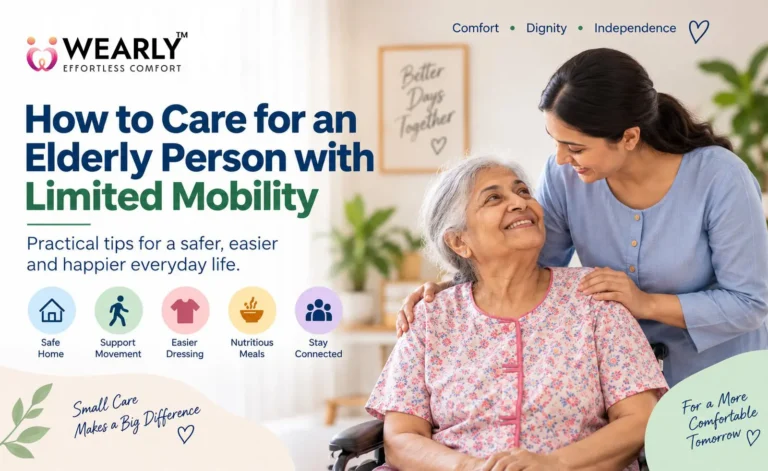

Caring for an older person with cancer can involve a lot more than just taking them to their doctor’s appointments. Fatigue, appetite changes, decreased mobility, mood changes, and difficulty with everyday activities may occur from cancer and its treatment. Older adults may have other health conditions such as arthritis, diabetes, or high blood pressure, which can make daily care more complicated.
Families and caregivers want to establish a routine consistent with the recommendations of the person’s cancer care team, accommodating the person’s needs and promoting comfort, safety, dignity, and independence.
1. Recognize Their Evolving Daily Needs
An elderly person with cancer may not have the same energy or ability on any given day. Fatigue can make it difficult to walk, bathe, dress, prepare food, or even concentrate. Cancer treatment, other medical conditions, stress, nutrition, or sleep problems can cause cancer-related fatigue.
Instead of doing the same thing each day, notice how your loved one is feeling and plan activities around that.
- Schedule important activities for when you have more energy.
- Allow yourself enough time to bathe and dress.
- Split big tasks up into smaller steps.
- Promote time off between activities.
- Don’t assume; ask what kind of help they need.
2. Keep the Dressing Simple and Easy
Surprisingly, dressing can become difficult for an elderly person undergoing treatment for cancer. Conventional clothing can be uncomfortable or difficult to put on due to fatigue, weakness, pain, limited movement, or difficulty standing.
To make it easier, caregivers can select:
- Open-front shirts & kurtis
- Velcro or other easy fasteners
- Elastic waist trousers
- Loose, comfortable fit
- Soft, breathable fabrics
- Clothing open at the back when help is needed to dress
Adaptive clothing can decrease some of the physical effort required for dressing and changing. It can also help protect a person’s privacy and dignity if they need assistance. Small changes like easier clothes can make a daily task less stressful for families who are caring for seniors at home.
3. Encourage Nutrition Without Pressure
During cancer and cancer treatment, changes in appetite may occur. Older adults may eat less or have problems that influence their intake of food and fluids. Caregivers should not force-feed but should speak to the health care team about large changes in appetite or weight. When needed, a registered dietitian can also provide personalized nutrition counseling.
At home, caregivers can work on creating a calm mealtime environment and following the individual’s recommended diet. If they have difficulty swallowing, a continuing loss of appetite, a considerable loss of weight, or other eating problems, talk to their health-care team.
4. Assistance with Mobility and Daily Activities
Cancer-related fatigue or treatment side effects can impact physical ability and daily activities. You may need a caregiver to help with activities such as
- Climbing into and out of bed
- Walking or moving
- Grooming and bathing
- Dressings
- Prepare meals
- Domestic activities
- Provide rides to appointments
Don’t assume that more help is always better. Allow the elderly person to do as much as they can safely for themselves. For movement or exercise, listen to your healthcare team. Some people with cancer-related fatigue may benefit from exercise, but the right amount is individual to the person’s situation.
5. Increase Home Security
Safety is especially important when an older adult is weak, tired, or less mobile.
Caregivers can:
- Maintain clutter-free walkways.
- Increase the lighting.
- Store frequently used items within easy reach.
- Use appropriate bathroom safety equipment.
- Clear the way.
Consult the healthcare team regarding the use of mobility aids if appropriate.
Older adults with cancer are more likely to have other health conditions and medications that can influence care and safety; therefore, their overall health should be taken into account rather than focusing solely on cancer.
6. Offer Emotional Support
Cancer can impact emotional and physical health. An older person can experience fear, frustration, loneliness, sadness, or loss of independence. Sometimes the best thing a caregiver can do is just listen. Instead of always trying to fix the problem, provide your loved one with opportunities to discuss how they are feeling. If they’re up to it, promote meaningful conversations, hobbies, family connections, music, reading, or other activities they enjoy.
If you notice ongoing emotional distress or significant mood changes, reach out to the healthcare team.
7. Stay Organized in Your Caregiving
Cancer care may include appointments, medication, transportation, meals, personal care, and talking with health care professionals. A simple notebook or digital record of appointments, questions, instructions, and daily observations may be helpful for caregivers.
Caregivers assist cancer patients with daily activities, food, appointments, personal care, transportation, and emotional support. Having a written routine can help family members share the load and not leave it all up to one person.
8. Do not Neglect the Caregiver
Providing care to a person with cancer can be physically and emotionally draining. Caregivers may be so concerned with the loved one that they forget about their own sleep, nutrition, medical appointments, exercise, and emotional needs. Ask family or friends for help. Be specific about what you need—to cook a meal, go with the patient to an appointment, shop, or give you a short break.
Self-care is not selfish; it allows you to continue caring for others.
How Adaptive Clothing Can Benefit Elderly Cancer Patients
Although it may seem like a small part of the cancer care process, dressing can be a daily battle for an elderly person who suffers from exhaustion, weakness, limited mobility, or needs assistance from a caregiver. Adaptive clothing with front openings, easy closures, open-back designs, and comfortable fits can help make dressing and changing easier.
At Wearly, our focus is on creating clothing that supports comfort, dignity, easy dressing, and caregiver-friendly care for seniors and people with limited mobility. The aim is not to substitute for medical care. Instead, practical clothing can eliminate one unnecessary difficulty from an already difficult daily routine.
Conclusion
Looking after an older person with cancer can involve patience, flexibility, and compassion. Some days are better than others. Caregivers should focus on what the person needs that day and not a set routine. Small changes like making the environment safer, dressing more easily, getting the right nutritional support, getting help with everyday activities, connecting emotionally, and sharing caregiving duties can help make day-to-day life more manageable.
Most importantly, care should respect the person’s dignity and involve them in decision-making where possible. Good caregiving isn’t about doing everything for an elderly person. It’s about providing the right support and helping them to be as comfortable and independent as possible.
FAQs
Q1. How to take care of an elderly cancer patient at home?
A. Prioritise comfort, safety, nutrition, personal care, emotional support, and the guidance of the health care team.
Q2. What are the daily difficulties of elderly cancer patients?
A. It can affect day-to-day life with fatigue, decreased mobility, changes in appetite, difficulty dressing, personal-care needs, and emotional stress.
Q3. What kind of clothes are suitable for elderly cancer patients?
A. Soft, comfortable clothing with front openings, easy closures, elastic waists, or open backs can be helpful when you need help to get dressed.
Q4. What can I do for a tired elderly cancer patient?
A. Get them enough rest and schedule major activities when they feel more energetic. Talk with their health care team about persistent or severe fatigue.