
Caring for an elderly person with limited mobility can be challenging. They may need assistance with everyday activities like bathing, dressing, eating, moving around, or toileting. You may have limited mobility due to age, weakness, arthritis, recovery from a stroke, surgery, a neurological condition, or other health problems.
Good elderly care is not only about meeting physical needs. It’s about preserving as much comfort, dignity, safety, and independence as we possibly can. With the right routine and a caring approach, it is possible to help make everyday life easier and more comfortable for older adults.
1. Create a Safe and Accessible Living Space
When caring for an elderly person with limited mobility, safety should be a priority—clear walkways with no unnecessary obstructions. Keep things you use often within easy reach.
Think about:
- Maintaining floors clear of loose rugs and clutter
- Adding grab bars where you need a little extra support
- Keeping rooms and hallways well lit.
- Convenient access to bed and frequently used furniture
- Use of appropriate mobility aids as prescribed by a health care professional
A safer environment means fewer falls and less stress when moving around.
2. Assist movement but do not rush.
A senior with mobility issues may need more time to stand, sit, walk, or move to a different position. Don’t rush them, or do everything for them automatically. Let them do the tasks they can still do for themselves and promote safe movement. Even a little appropriate movement can help maintain confidence and function daily.
The caregiver should follow the instructions of the doctor or physiotherapist if they have recommended specific exercises or mobility activities.
3. Make Dressing Easier
Dressing can be one of the most difficult daily activities for seniors with limited mobility. It can be painful or difficult to bend, lift the arms, stand for extended periods of time, or work with small buttons and zippers.
Select clothes that are easier to put on and take off, for example:
- Front open Kurtis and shirts
- Velcro or other simple closures
- Trousers with elastic waist
- Open back clothing for those in need of assistance
- Soft, breathable material
- Relaxed, casual fits
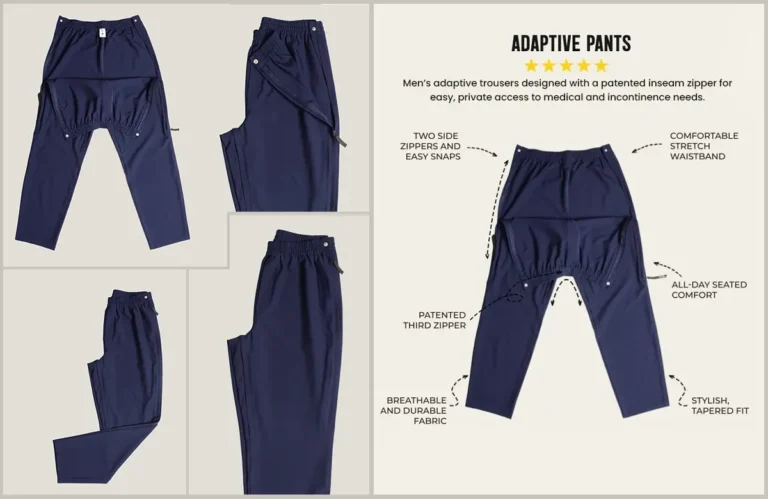
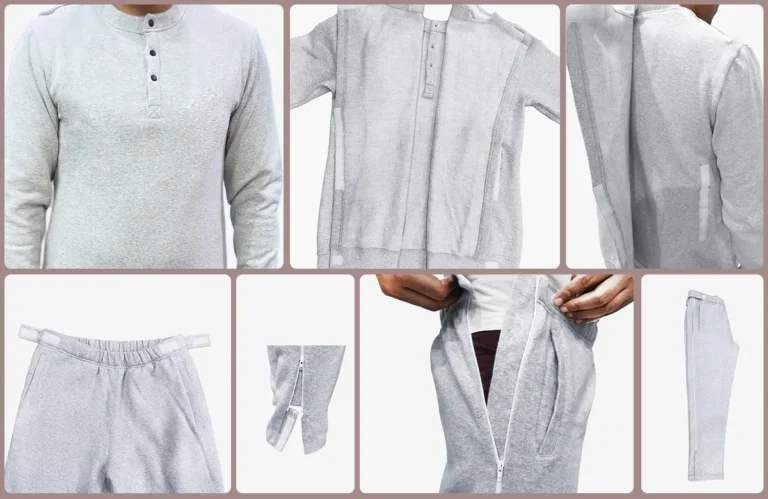
Adaptive clothing is particularly helpful because it is designed to meet the common dressing challenges of seniors, patients, wheelchair users, and caregivers. Simpler clothing can also ease the physical demands of dressing and changing routines for caregivers, helping the elderly person to stay comfortable and dignified.
4. Take Care of Personal Hygiene
People with limited mobility may need help with bathing, toileting, grooming, and changing clothes. These activities should be approached with respect and patience. Help where you can, but keep it private and explain what you are doing. Have the necessary hygiene items handy and make a habit of it.
Caregivers should also adhere to healthcare recommendations for skin care and repositioning individuals who are in bed or seated for extended periods.
5. Make mealtimes comfortable.
Eating in a comfortable seated position can make a big difference. Before eating, ensure the elderly person is in a safe and comfortable position.
Use cups that are easy to hold, lightweight utensils, or other appropriate aids. Based on their capabilities. Give them a little time to eat without pressure. If the person is having trouble swallowing, eating, or staying in a good eating position, talk to their health care professional instead of trying to fix the problem yourself.
6. Help Prevent Social Isolation
Sometimes limited mobility can reduce social interaction. The elderly person unable to easily leave the house may become isolated or dependent on others.
Encourage the regularity of conversations, visits from family, hobbies, music, reading, or other things that they enjoy. Technology can also provide seniors with a way to connect with family members through video calls and messages. Emotional support is just as vital as physical care.
7. Respect for Independence and Dignity
One of the most important parts of elderly care is keeping the elderly person involved in the decisions about his daily life.
Instead of saying, “I’ll do it for you,” ask, “Would you like some help?” Wherever possible, allow them to choose their clothes, meals, activities, and daily routines. Little decisions can help an older person feel respected and in control.
8. Look for Changes in Their Condition
Caregivers should be alert to any significant change in mobility, mood, appetite, sleep, pain, skin condition, or ability to perform day-to-day activities.
If you see a change that is sudden or concerning, contact a relevant medical expert. Don’t just assume each new symptom is part of the process of aging.
New Adaptive Clothing: An Effective Tool in Elderly Care
Besides comfort, the clothes should be easy to care for daily, especially for elderly people with reduced mobility.
Wearly by designed adaptive clothing such as front openings, Velcro closures, open-back designs, elastic waistbands, and easy-access construction. These features can make dressing and changing easier while providing comfort and dignity for seniors and patients. The right clothes won’t solve all the challenges of mobility, but they can take one unnecessary challenge away from the daily care routine.
Conclusion
Taking care of an elderly person who is not mobile requires patience, planning, and empathy. A safe home environment, appropriate movement, comfortable clothing, personal hygiene, nutritious meals, social connection, and respect for independence can make everyday life much better. Most importantly, remember the person on the receiving end of care does not have their mobility limitations. Good care is helping them to live as comfortably as possible, with as much dignity, confidence, and independence as possible.
FAQs
1. How do you take care of an elderly person with limited mobility?
Focus on safety, comfort of movement, personal hygiene, nutrition, emotional support, and independence. Simplify everyday tasks without unnecessarily taking away their ability to participate.
2. What is the best clothing for the elderly with limited mobility?
Seniors who have trouble dressing may benefit from comfortable adaptive clothing that features front openings, Velcro fasteners, elastic waistbands, or an open-back design.
3. How can caregivers help the elderly dress easier?
Choose simple, soft, comfortable clothes with easy closures, avoiding complicated buttons and tight-fitting clothes. Adaptive clothing can make dressing and changing easier.
4. How to make a home safer for an elderly person with limited mobility?
Keep pathways clear, improve lighting, reduce fall hazards, and make frequently used items easily accessible. When selecting mobility or safety equipment, seek appropriate professional advice.
5. Do older people with reduced mobility need to exercise?
Suitable movement can be good, but activities should be appropriate to the person’s health and abilities. Follow suggestions from their doctor or physiotherapist.
6. How can I help an older person stay independent?
Provide options, encourage safe participation in daily activities, allow more time for assignments, and offer assistance only when needed.