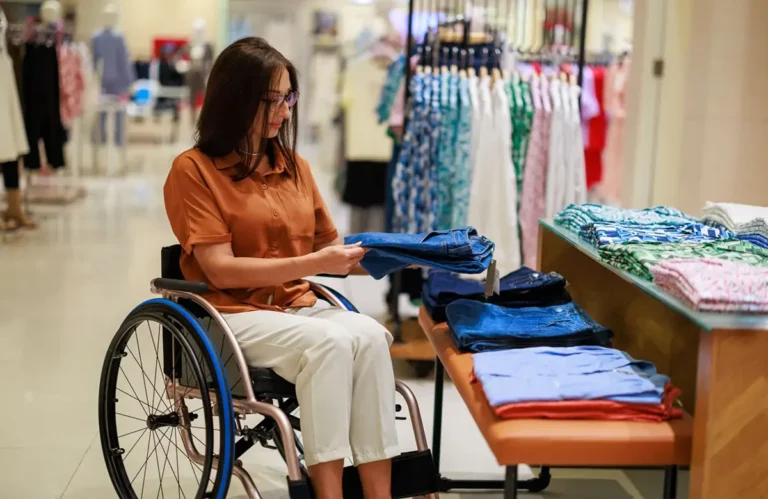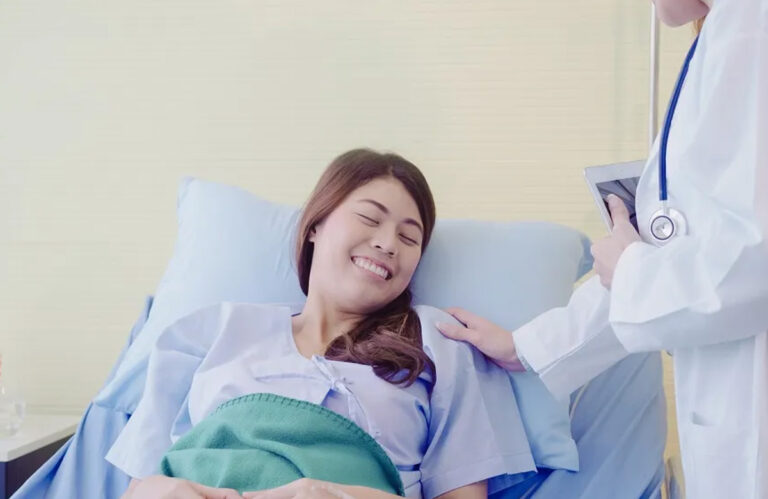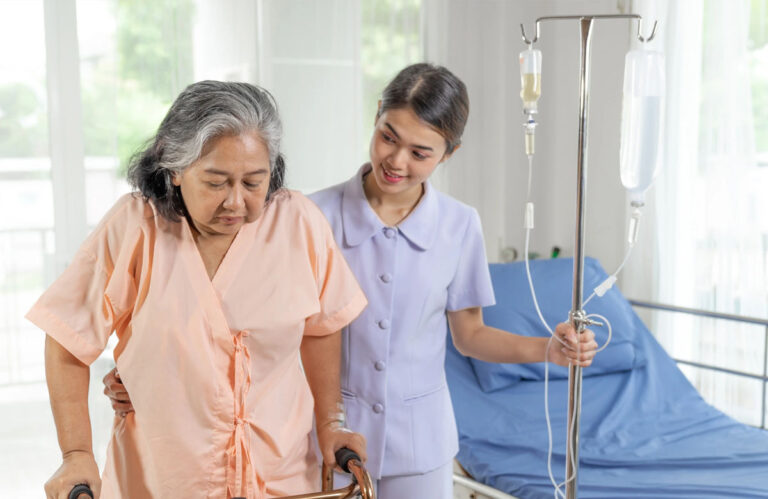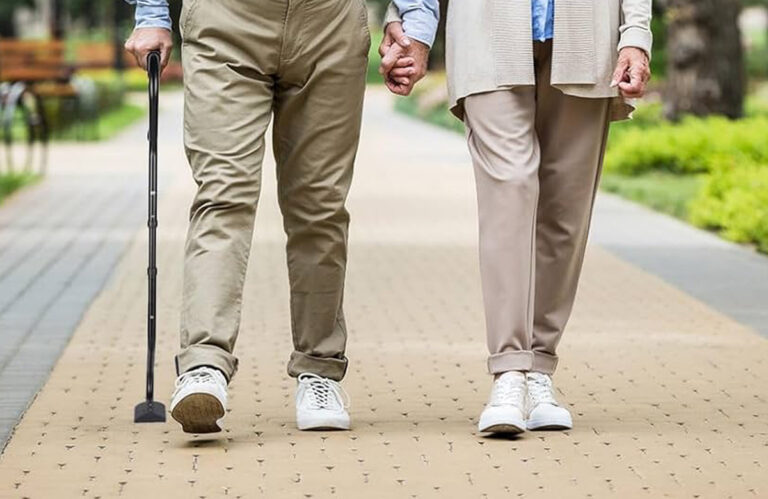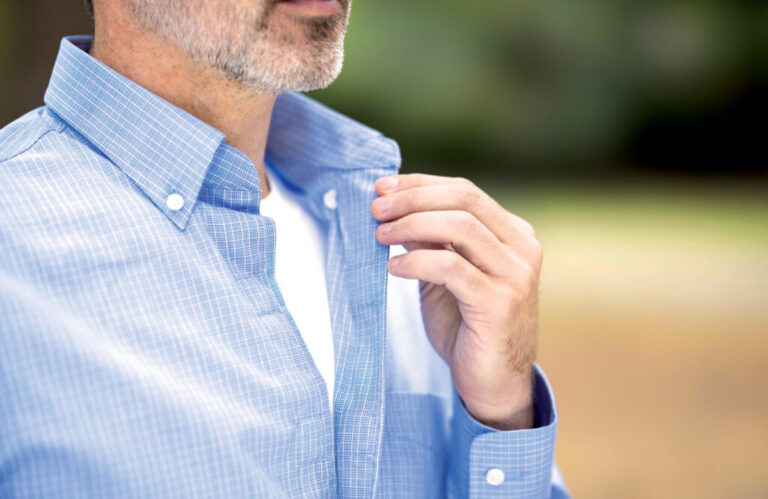

A lot more than we think, clothes are an important part of our daily lives. Getting dressed is an easy task for most people. But traditional clothes can be hard to wear every day for older people, people with disabilities, and people who have trouble moving around. It’s painful or even impossible to put on or take off clothes without help because the buttons are too small, the fabrics feel rough, and the seams irritate the skin.
This is where adaptive clothing makes a real difference. Adaptive clothing is a mix of fashion and purpose. It is made with ease, comfort, and dignity in mind. For people who need extra help getting dressed because of age, health problems, or short-term limitations like recovery from surgery, these clothes make it easier, safer, and more comfortable.
This blog post talks about the top innovative features that make adaptive clothes really easy to get, useful, and comfortable for daily use.
1. Simple fasteners like magnets, Velcro, and snaps
Taking care of small, stiff fasteners is one of the hardest parts of regular clothes. This can be solved by an adaptive form:
- Magnetic closures that snap together easily
- Velcro straps for quick and secure closing
- Snap buttons that don’t need much force
These easy closures help people who have arthritis, tremors, a weak grip, or problems moving their hands. Also, they make it a lot easier and faster for workers to help people dress.
2. Fabrics that are soft and stretchy
The material is the first step to comfort. The materials used in adaptive clothing are
- Flexible to allow for easy movement
- Breathable to keep you from getting too hot
- Soft on the skin to avoid itching
- Durable to be washed often
Stretchy fabrics like bamboo fabric, cotton blends, and four-way stretch spandex keep people relaxed, even if they have to sit in wheelchairs or beds for long periods of time.
3. Designs with open backs for help with dressing
Dresses, tops, and nightgowns with open backs make getting dressed a lot easier for people who can’t stand, lift their arms, or move around easily. Closures on the shoulders or sides make it easy for the helper to dress the person without having to move or lift them too much. Clothing with open backs also
- Keeps sensitive areas from hurting
- Let’s you dress while sitting or lying down
- Keeps your full respect with panels that overlap to cover
For hospitals, home care, and elder care, this trait is very useful.
4. Features that can be adjusted for a custom fit
Adaptive clothes take into account that everyone’s body is different. Features that can be changed are:
- Straps that can be adjusted for length
- Waistbands that can be stretched
- Side ties that make it easy to tighten
- Stretchable panels for medical equipment or people who are swollen
Because they are custom-made, these parts keep you comfortable all day, even when your body changes shape or swelling happens.
5. Armholes and necklines that are too wide
People who have trouble moving around or who wear braces may find it hard to dress if the collar is too small or the armholes are too tight. Designs for adaptive clothing use
- Larger holes
- Soft edges that can be stretched
- Shapes that can be changed
This makes it easy to put on clothes and takes pressure off sensitive areas.
6. Seamless & Tag-Free Designs
Seams and tags can be painful, red, or irritating for people with sensory issues or skin problems. With seamless designs, you can:
- Less friction
- More comfort during long wear
- Smooth touch with skin
This function is very useful for people who have trouble processing sensory information, are paralyzed, or use wheelchairs and have to sit for long periods of time.
7. Pants that open on the side and have flexible bottoms
Adaptive pants usually come with:
- Side zippers
- Full open-back styles
- Waistbands with elastic or drawstrings
- Easy Velcro closures
These features make it easy to use the bathroom, put on clothes, and get to the catheter from a sitting or lying down position. High-back and low-front shapes keep wheelchair users from bunching up and putting pressure on their bodies.
8. Has built-in padding to relieve pressure
Pressure sores can be avoided by adding extra padding to the seat, hips, elbows, and knees. This is particularly helpful for people who use wheelchairs or stay in one position for long periods of time. This new idea:
- Lowers the risk of skin breakdown
- Offers ease and cushioning
- Encourages a better sitting position
9. Adaptive shoes and non-slip slippers
Adaptive clothing includes more than just clothes. It also includes shoes that are made to be safe and comfortable. Some features are:
- Wide openings for feet that are swollen
- Velcro straps instead of laces
- Non-slip soles
- Memory foam padding
- Designs that are good for people with diabetes
These make it safer to walk and much easier to put on shoes.
10. Designs that work well on all devices
Assistive technology needs are carefully taken into account in a modern adaptive fashion. Among these are:
- Clothes that fit over a prosthesis
- Port and tube openings
- Pocket placement that can be reached from a wheelchair
- Higher waistlines for comfort while sitting
This ensures a smooth experience instead of the constant pain that comes from wearing clothes that don’t fit right.
Why These New Ideas Are Important
Adaptive clothing isn’t just a style; it’s a way to help millions of people live with more dignity, freedom, and confidence. These thoughtful traits:
- Lessen the stress on caregivers
- Encourage dressing oneself whenever possible
- Make daily life more comfortable
- Avoid skin problems and injuries
- Promote mental health
By combining smart design with features that put comfort first, adaptive clothing helps people who need it the most with their daily lives.