
One of the most common and concerning habits in people with Alzheimer’s disease or other dementias is wandering. When a loved one becomes restless, moves unpredictably, or leaves the house without notice, it can be frightening for family and caregivers. To provide comfort, dignity, and safety, it helps to understand why people wander. Adaptive strategies, such as creating safe spaces and choosing well-fitting clothing, can make a big difference.
Here we’ll talk about why people wander, how to manage them well, and how things like dementia-friendly garments and adaptive clothes for seniors may help make caregiving less stressful.
What Makes People with Dementia Want to Wander?
Wandering doesn’t always mean the same thing. Sometimes, a person may try to leave the house completely, and other times, they may just go back and forth in a room or garden. The following are some of the most common causes of this:
- Time or location confusion: People may feel the need to go to work or go home even when they are at home.
- Feeling anxious or restless: Dementia can make people more stressed, which can make them walk around without a purpose.
- Needs that haven’t been met: People may stroll about looking for food, water, or a bathroom.
- Boredom or a lack of stimulation: People may start pacing to deal with boredom when there aren’t any activities that keep them busy.
The first step in making the world a safer place is to find these triggers.
Ways to safely deal with behavior that comes with wandering
Even while it’s hard to totally remove the chance of straying in every setting, caregivers can lower the amount of stress and risk that comes with their jobs by using the following helpful tips:
- Stick to your daily routines: Eating at the same time every day, taking breaks, and doing planned activities can all help clear your mind.
- Make safe places: Enclosed areas, walking paths, or protected gardens let loved ones move around without anxiety.
- Use identification tools: GPS units or medical ID wristbands can be useful if someone has to leave the house.
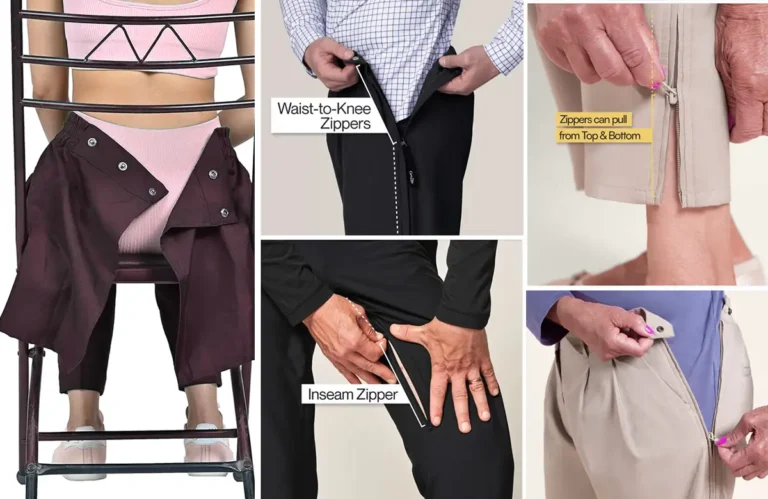
- Make getting dressed easier: Wearing garments with magnetic fasteners or pants with an elastic waistline can help you save time and prevent becoming upset.
- Make things comfortable: Buying clothes that are easy on the senses can help with itching and hard-to-use fasteners.
Adaptive Clothing Plays a Role in Treating Dementia
Clothing can have a big effect on how to deal with wandering behavior, even though it might not be the first thing that caregivers think of. Someone with dementia may have trouble understanding and feel uncomfortable wearing regular clothes that have zippers, buttons, and rough fabrics. This typically leads to resistance or restlessness when getting dressed.
This is where clothing that is specifically made for older people comes in handy. Today, companies are making apparel for persons with disabilities that is stylish, useful, and welcoming. This includes clothing designed for wheelchair users and outfits suitable for post-surgery recovery. These garments help loved ones feel more comfortable and dignified, while making it easier for caregivers to dress and support them.”
The Most Important Things About Adaptive Clothes Made for People with Disabilities:
- Magnetic closures: Choose magnetic closures instead of zippers that are hard to use or small buttons. They are sturdy and reliable.
- Open-back designs: Open-back designs are great for people who are stuck in bed or need help moving about.
- Pants with an elastic waistband: These are the most comfortable and easiest to adjust.
- Adaptable trousers for men and women are trousers that are stylish and made of soft and stretchy fabric, but include small adjustments to make them more comfortable to wear.
Where to Buy Adaptive Clothes Online
It was once difficult to find clothes designed specifically for people with disabilities. Now, many online stores offer a wide range of adaptive clothing. You can find garments made for individuals with disabilities and their caregivers. These items are available in specialized adaptive fashion stores or retailers that include accessible options in their collections. https://wearly.in/ makes shopping easy and convenient, whether you need post-surgery outfits, adaptive pants, or clothing created for those with Alzheimer’s disease.
When you’re attempting to decide where to buy something, think about these things:
- A wide range of clothes that are accessible to persons with disabilities
- Clothes that are comfortable and appropriate for people with sensory issues
- Designs that strike a balance between independence and dignity
Helping Family and Caregivers
Taking care of someone with dementia is both hard and rewarding. To handle wandering behavior, you need the right tools, persistence, and determination. Caregivers can make life easier and safer for their patients in several ways. Establishing regular routines helps create stability. Simple home improvements can make the environment safer. Choosing adaptive clothing carefully also supports comfort and independence for elderly individuals or those with disabilities.
Just because someone is wandering about doesn’t indicate there’s something wrong with them. It might mean that someone is restless, confused, or has unfulfilled aspirations. Recognizing trends and responding to them with kindness can make life better for both the person with dementia and their caregiver.
Wearly word of care
One of the problems that comes with Alzheimer’s disease and dementia is that people with these conditions often wander. However, you can actively manage these behaviors. Creating safe spaces, using technology, and making small but meaningful changes—like choosing better-fitting clothes—can reduce stress and preserve dignity.