Seniors and people who have trouble moving around can have more trouble in the winter. Low temperatures, cold waves and cold weather can all make daily tasks harder, especially getting dressed, moving around, and staying healthy. Being ready can make a big difference as a helper. Wearly’s adaptive clothing can help the people you care for stay warm, safe, comfortable, and with their respect all winter long. Here’s what to know.
1. Choose easy-to-put-on warm layers
Wearing layers is important in the winter. But traditional layers that need too much pulling, bending, or buttoning can be painful for people with arthritis, limited movement, or who are still healing from surgery.
- Base Layer: Long-sleeved clothes that are soft, flexible, and fit well without being too tight. Perfect fabrics are ones that wick away sweat and keep skin dry, like merino wool blends or soft synthetics.
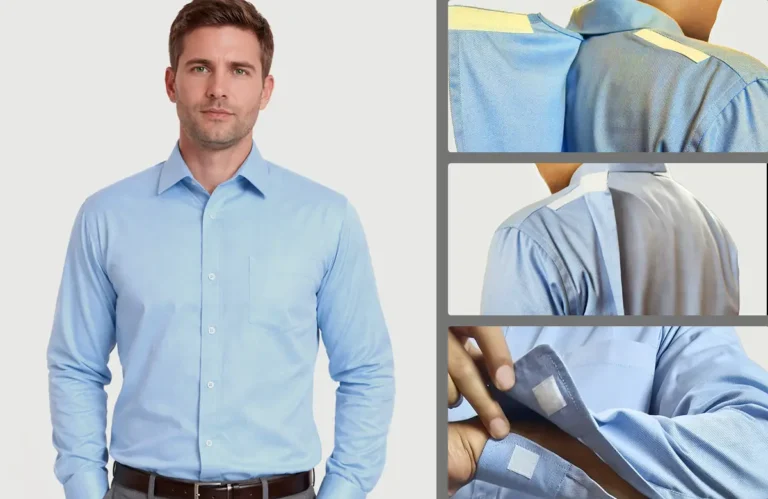
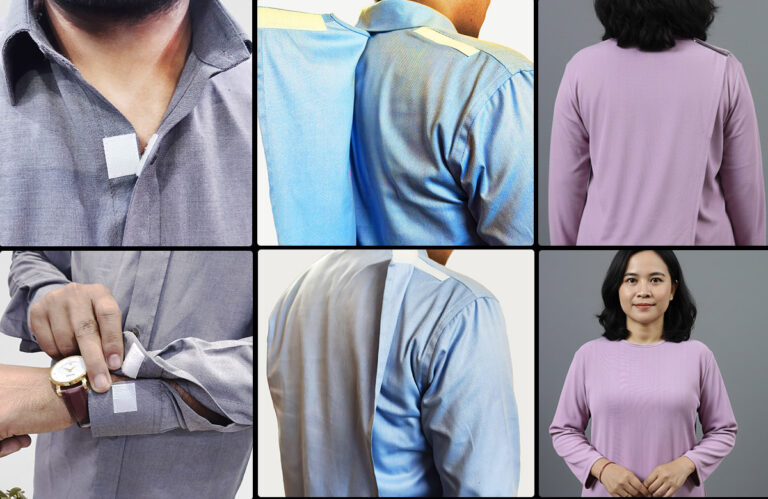
- Middle-Level Insulation: Wear sweaters, adaptive vests, or coats with magnetic closures or big zippers that are easy to pull on and off. This will make getting dressed easier. Such traits should be on Wearly’s adaptive clothing for the elderly.
- Outer Layer: coats that are waterproof or windproof and have easy-open closures, like side zippers or wraps, that cover the whole body but don’t make it hard to move. For people who use wheelchairs or sit for long amounts of time, coats should be made so that they stay warm while sitting down.
Adding layers gives you options: based on the temperature, you can take them off inside or put them on outside.
2. Put warmth and ease of access at the top of your list of clothing features
Adaptive clothes for winter need to keep you warm and be easy to use. What’s most important are these traits:
Instead of buttons or small zippers, use magnetic ends or easy Velcro fastenings. Putting these on and taking them off is safer and easier.
- Elastic Waist Trousers and pull-on bottoms keep you from having to bend over and fiddle with waistbands. This is especially helpful for people who have recently had surgery or who have joint pain.
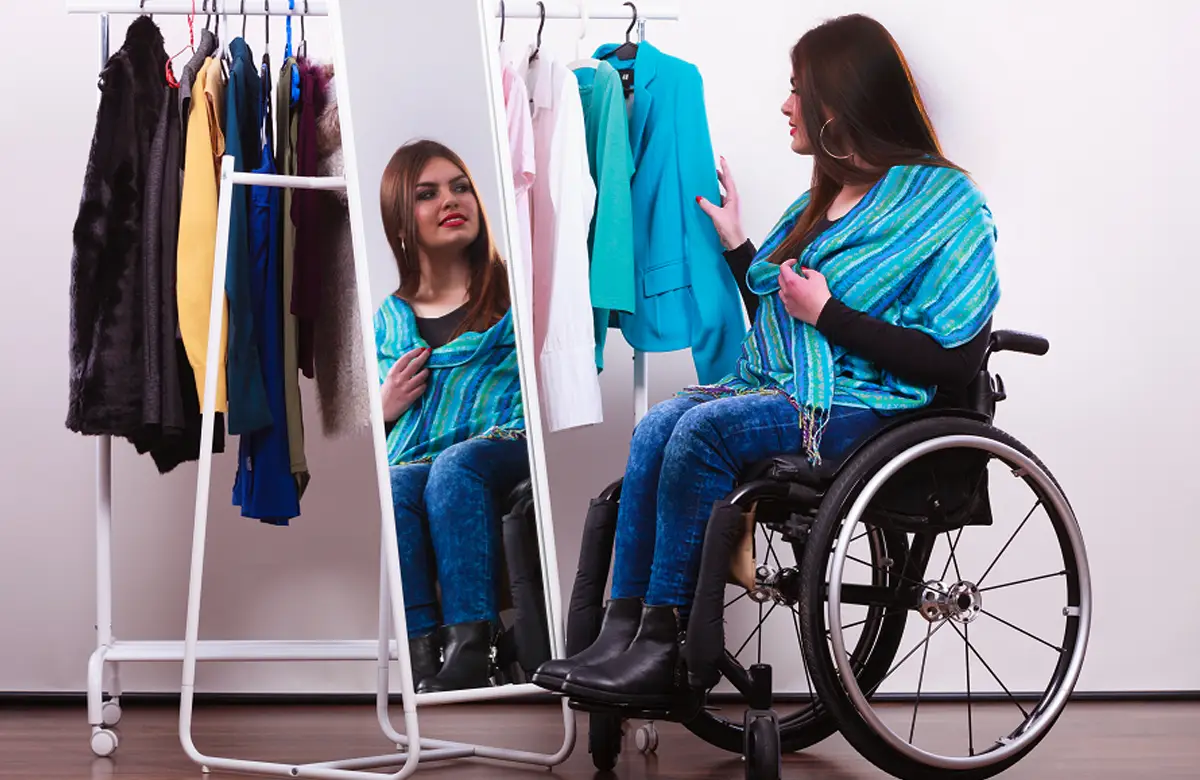
- Clothes that are wheelchair-friendly have long backs, high front hems, and extra room in the seating areas so that people can still be covered when they’re sitting down.
- Adaptive clothes for seniors that let them layer without adding too much bulk, like thin but warm linings, stretch fabrics, soft wool, and so on.
3. What to Wear Inside and Outside
Different clothes are needed to be comfortable inside and safe outside.
- Indoors: Keep the temperature stable and warm, and use rugs or carpets to block drafts. Wear warm nightgowns or gowns with open backs that are easy to get into after surgery. Also wear soft cardigans with magnetic buttons and socks with non-slip feet.
- Outdoors: You must have waterproof boots with easy-to-close straps (zippers, magnets) and non-slip bottoms. Protecting the hands and feet can be done with scarves, hats that are easy to put on and take off, and gloves or mittens that can be adjusted (for example, split finger mitts or magnetic fasteners). Warm jackets that are easy to layer.
4. Shoes and accessories that are safe for winter
It’s more likely to slip, fall, get frostbite, or be in pain when it’s cold outside. Just as important as what you wear is what you wear with it.
- Footwear: Shoes or boots with roomy holes, fasteners that can be adjusted, good insulation, and soles that won’t slip. Adjustable-width boots are good for people with swollen feet.
- Adaptive gloves that are easier to put on (magnetic or Velcro) or mittens that can be changed into gloves.
- Head and Neck Protection: hats that cover the ears, scarves, or neck gaiters that are easy to put on and take off, possibly with one-hand features.
- Warm socks: thick wool or thermal socks that don’t bind; avoid tight elastic that cuts off circulation.
- Other: blankets, wheelchair lap covers, and scarves for extra warmth inside. If it’s safe and possible, use heated devices.
5. Take care of your skin and blood flow.
Skin can dry out, crack, or become more easily hurt when it’s cold outside and dry inside.
- Use lotions, especially on your hands, face, and feet.
- Avoid clothes that are too tight or have rough seams; instead, buy clothes that are sensory-friendly and have flat seams and soft lining.
- Check any skin that is visible for signs of frostbite or chilblains.
- Get people to move around, even inside. Simple joint exercises can help improve circulation, especially for people with arthritis or who have recently had surgery.
6. Prepare for emergencies and getting around
It’s harder for caregivers when there are winter storms or power cuts. Getting ready can help lower stress.
- Make sure that accommodating clothing is easy to get to. Some warm clothes that you can quickly put on if you need to leave the house.
- Be sure that clothing that can be worn in a wheelchair is ready (with coverage, long-lasting fabric, etc.).
- Buy adaptable winter gear early (demand often goes up). Wearly’s stylish clothing store should have styles that are good for winter. You won’t run out of stock if you buy early.
- Check the home’s heaters, keep pipes safe, and make sure there are no slips on the sidewalks. Nonslip mats inside.
7. Stay warm without losing your comfort and dignity
It’s all about keeping someone’s respect, comfort, and health in the end.
- Adaptive clothing for disabled people shouldn’t feel clinical—it should have soft fabrics, nice designs, and small adaptive features.
- Inclusive clothing for the disabled should still show the person’s personal style, such as colors, textures, and cuts they like.
- Adaptive clothes for after surgery should allow access to medical care while still keeping a person’s privacy. Make it easier for people with Alzheimer’s or dementia to dress.
- To avoid stress and confusion, wear clothes with fewer layers, easy-to-open zippers, and big holes.
Wearly’s Care
Winter can be tough, but it doesn’t have to be too much if you plan ahead and wear clothes that are made to withstand the cold. You play a big role in making sure the people you care for stay warm, safe, relaxed, and respected. Wearly wants to make adaptive clothing that looks good and works well. Some of the things they offer are magnetic closures, pants with an elastic waist, designs that work with wheelchairs, materials that are good for sensitive skin, and more.
With adaptive clothes, getting ready for winter is easier, more comfortable, more independent, and better for your health. Think ahead, make smart choices, and help the people you care about feel confident about winter.